
Introduction
Ever feel like your wallet is on life support? You’re not alone. Most people live paycheck to paycheck, hoping nothing goes wrong. But when the car breaks down, the dog needs emergency surgery, or you suddenly lose your job, having an emergency fund is the difference between panic and peace of mind.
Understanding Emergency Funds
What is an Emergency Fund?
An emergency fund is your financial airbag. It’s a stash of cash set aside specifically for life’s “uh-oh” moments. Think job loss, medical emergencies, or urgent home repairs—not concert tickets or vacation getaways.
How Much Should You Save?
The 3 to 6 Months Rule
Most financial experts recommend saving 3 to 6 months’ worth of living expenses. That means rent or mortgage, utilities, food, insurance, transportation, and debt payments.
Tailoring the Amount to Your Situation
Everyone’s needs are different. If you have a stable job, 3 months might be fine. Freelancers, business owners, or single-income households might want 6 months—or even more.
Step-by-Step Guide to Building Your Emergency Fund
Step 1: Set a Realistic Savings Goal
Start with a small, achievable goal. Even $500 is a great starting point. From there, work toward 1 month of expenses, then 3, then 6.
Step 2: Open a Separate Savings Account
Don’t mix your emergency fund with your checking account. Open a separate, dedicated savings account so you’re not tempted to dip into it for everyday spending.
Step 3: Track Your Income and Expenses
You can’t save what you don’t know you’re spending. Use apps like Mint, YNAB, or just a spreadsheet. Identify where your money is going and what you can cut.
Step 4: Start Small and Build Momentum
Saving $10 a week might not seem like much, but it adds up to $520 a year. Consistency beats intensity. It’s better to save a little regularly than nothing at all.
Step 5: Automate Your Savings
Set up an automatic transfer from your checking to your emergency fund. It takes the decision-making out of your hands—and saves you from yourself.
Step 6: Cut Unnecessary Expenses
Cancel subscriptions you don’t use. Brew your coffee at home. Meal prep instead of eating out. These small sacrifices can fast-track your fund.
Step 7: Boost Your Income
Side hustle, anyone? Deliver groceries, freelance online, sell stuff you don’t use. Any extra cash should go straight into your emergency fund.
Step 8: Use Windfalls Wisely
Tax refunds, bonuses, birthday money—these are perfect opportunities to make big jumps in your savings. Resist the urge to splurge.
Where to Keep Your Emergency Fund
High-Yield Savings Accounts
These accounts pay more interest than traditional savings accounts, helping your fund grow faster—without the risk.
Money Market Accounts
They offer slightly higher returns and similar access to funds. Just make sure you understand the withdrawal limits.
What to Avoid: Stocks and Risky Assets
Your emergency fund is not an investment. Stocks, crypto, and anything volatile could lose value when you need the money most.
Staying Committed and Motivated
Visualize Your Goal
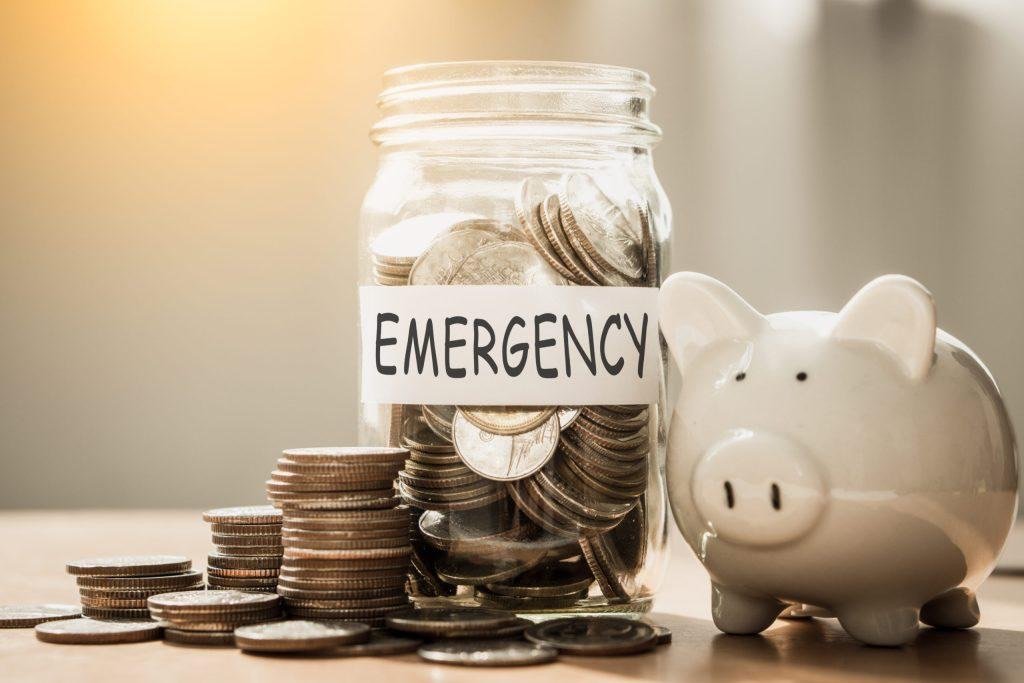
Create a progress bar or jar at home. Watch it fill. It’s motivating to see your emergency fund grow.
Celebrate Small Wins
Every $100 saved is a win. Reward yourself (within reason) for hitting milestones. It keeps the momentum going.
Stay Disciplined: Emergency Means Emergency
Vacations aren’t emergencies. Neither is that new phone. Train yourself to only touch this fund for true life disruptions.
Mistakes to Avoid
Using the Fund for Non-Emergencies
If you treat it like a slush fund, it won’t be there when you really need it.
Not Replenishing After Use
If you dip into it, make rebuilding a top priority. You never know when lightning will strike twice.
Keeping It in a Checking Account
Checking accounts make it too easy to spend. Keep your emergency fund somewhere slightly inconvenient to access but still liquid.
When and How to Use Your Emergency Fund
True Emergencies vs. Non-Essentials
Emergency: Your fridge dies mid-summer.
Not an emergency: Your neighbor’s having a blowout BBQ and you want to bring a fancy dish.
How to Withdraw Wisely
Use only what you need. Document what you took and why. Make a plan to replace the funds as soon as you’re financially stable again.
Conclusion
Building an emergency fund from scratch might feel like climbing a mountain barefoot—but every step you take is a step toward financial freedom. It gives you peace of mind, reduces stress, and helps you avoid going into debt when life throws a curveball. Start today, even if it’s just with a few dollars. Your future self will thank you.
FAQs
1. How much should I save in my emergency fund if I’m single?
If you’re single with no dependents, aim for at least 3 months of essential expenses. More if your job is unstable or you’re self-employed.
2. Can I use my emergency fund to pay off debt?
Only if it’s an emergency. The goal is to avoid using high-interest debt during tough times—not to pay down existing debt.
3. Should I invest my emergency fund?
Nope. Keep it in a safe, accessible place like a high-yield savings account. This fund is about security, not growth.
4. What happens if I can’t save much every month?
That’s okay. Save what you can. Even $5 or $10 weekly makes a difference over time. Progress is progress.
5. How do I rebuild my emergency fund after using it?
Treat it like a priority bill. Resume automatic transfers, reduce unnecessary spending, and channel any extra cash into rebuilding it.